
Department of Mental Health: Transforming LA
Real-time evaluation for the grassroots organizations shaping mental health services in Los Angeles County.
Fractal Strategies served as the developmental evaluation partner for the Transforming LA through Partnership (TLA) initiative — led by LA County Department of Mental Health in collaboration with Community Partners. TLA invests in grassroots and emerging community-based organizations delivering preventive mental health services across LA County. Our role wasn't just to capture outcomes, but also to generate real-time data and feedback so the program could adjust curriculum, scope technical assistance, troubleshoot challenges, and respond to what participants actually needed as it was happening.

Process
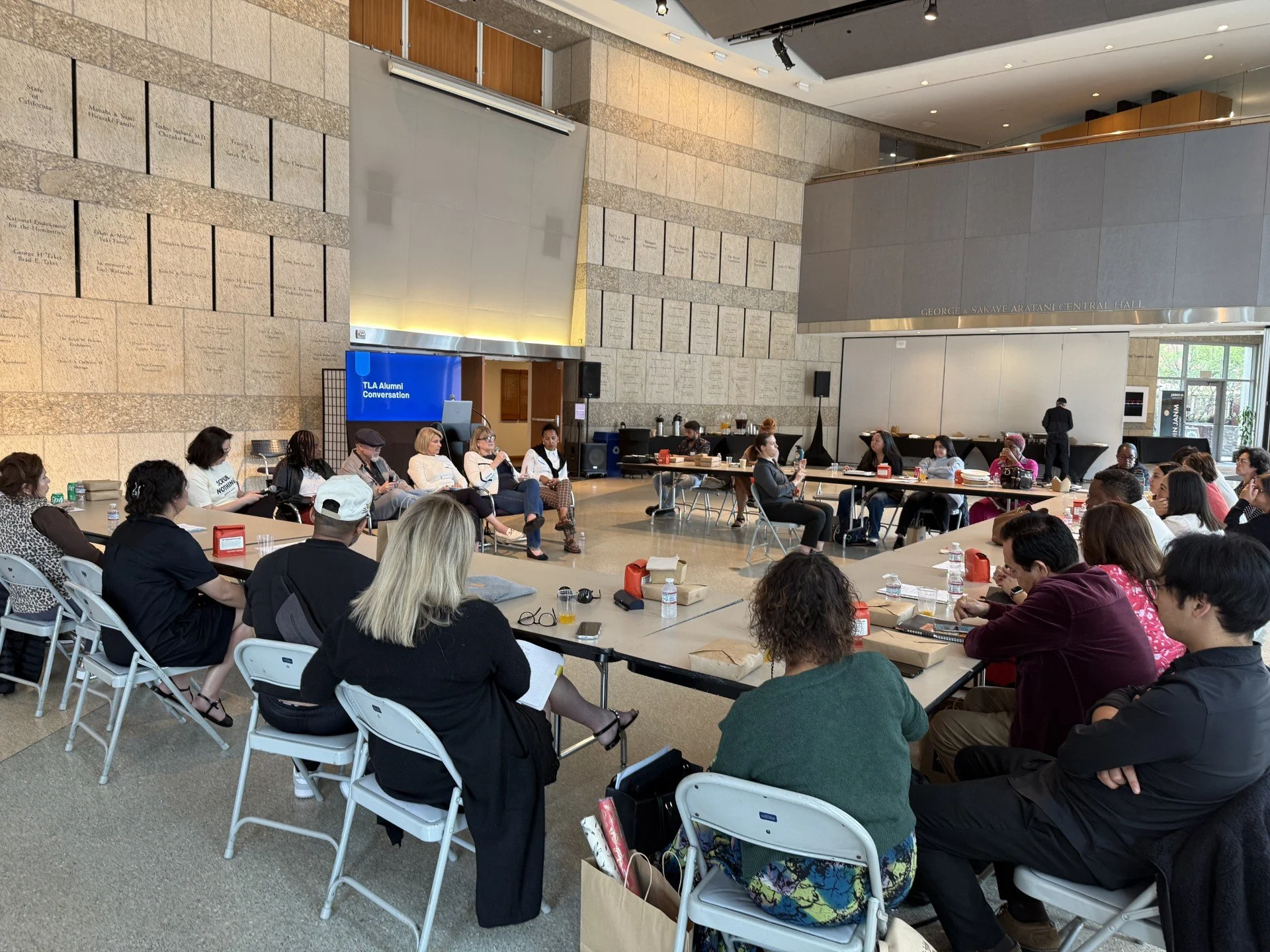
Developmental evaluation is different from traditional evaluation. Rather than measuring outcomes at the end, we provided real-time data and feedback throughout so the program could adjust curriculum, scope technical assistance, troubleshoot challenges, and respond to the actual needs of participants as they emerged. Our role was to make sure the learning happening on the ground informed every step forward. We found that in year one, TLA-supported organizations reached 10,411 new community members across LA County and engaged 31,945 participants in programming, with 6,390 referrals to mental health services. But the deeper story was organizational transformation. Across organizations, TLA helped:
Expand staff capacity and formalize roles
Strengthen internal systems and governance
Launch strategic plans for long-term growth
Build partnerships with schools, clinics, and public agencies
Increase readiness to contract with government systems
After the evaluation, we joined Department programs, partners, and grantees for a meet-and-greet to build relationships between public systems and community-based organizations, opening pathways for future contracts and deeper collaboration.
Results
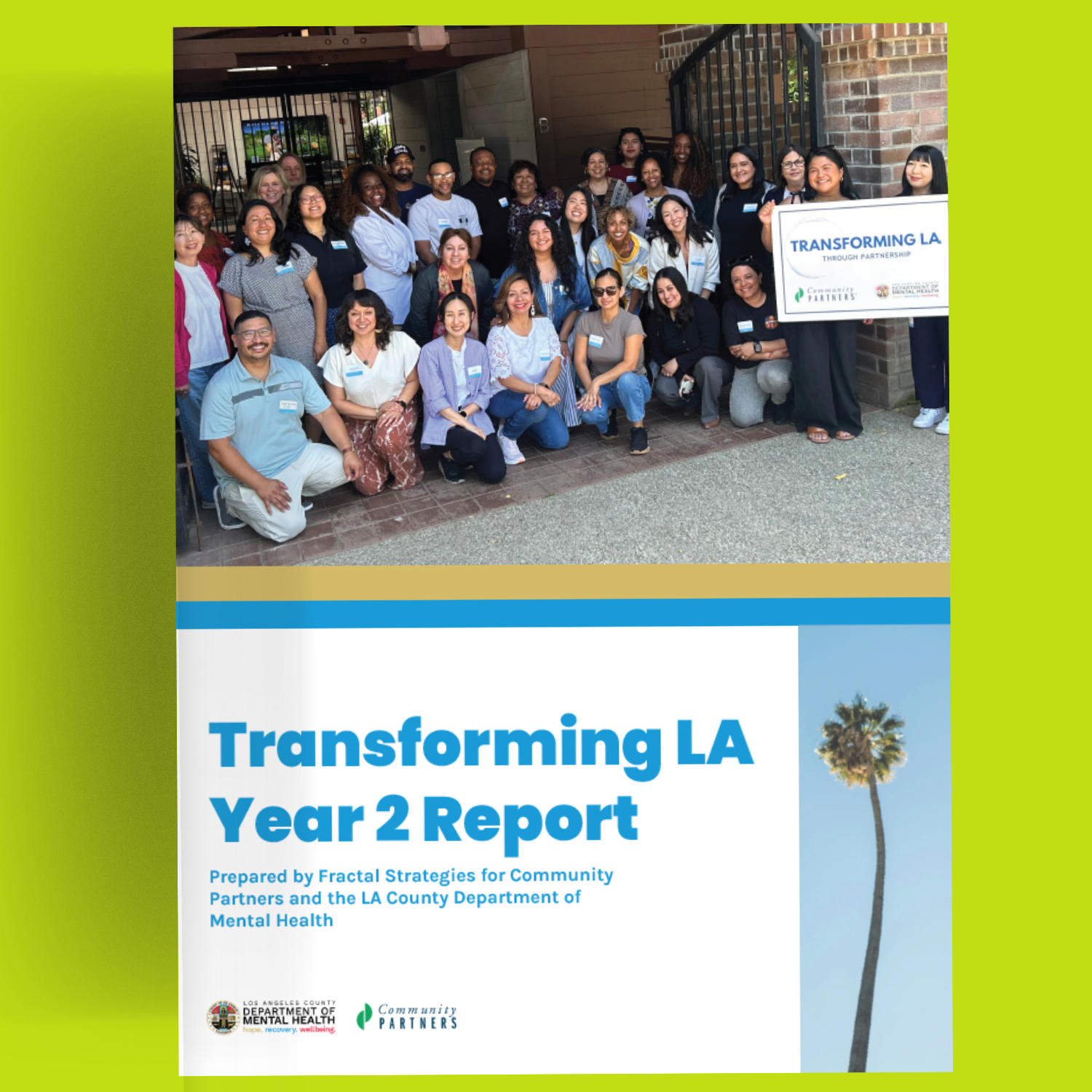
Because the evaluation fed real-time insight back into the program as it was running, organizations that began the initiative managing programs grew the capacity to sustain them — formalizing governance, building strategic plans, and moving toward public contracts. TLA adjusted technical assistance, responded to capacity gaps, and invested where it mattered most.
We found organizations weren't just delivering more services; they were creating new ways to reach people who had historically been excluded from care — immigrant communities, people with disabilities, communities where behavioral health stigma runs deep. Pre/post data and interviews made that shift visible in a way that anecdote alone could not.
For the funder and program administrators, the evaluation produced a clear evidence base for what works and why, alongside concrete sequencing. As TLA funding comes to an end, and community need grows, those recommendations are the foundation for the next chapter of investment. More than anything, this evaluation demonstrated that community-rooted organizations, when given the right infrastructure and the right support at the right time, are not just service providers — they redesign systems.

Let’s Work Together
Book a 30-minute discovery call to get started.