
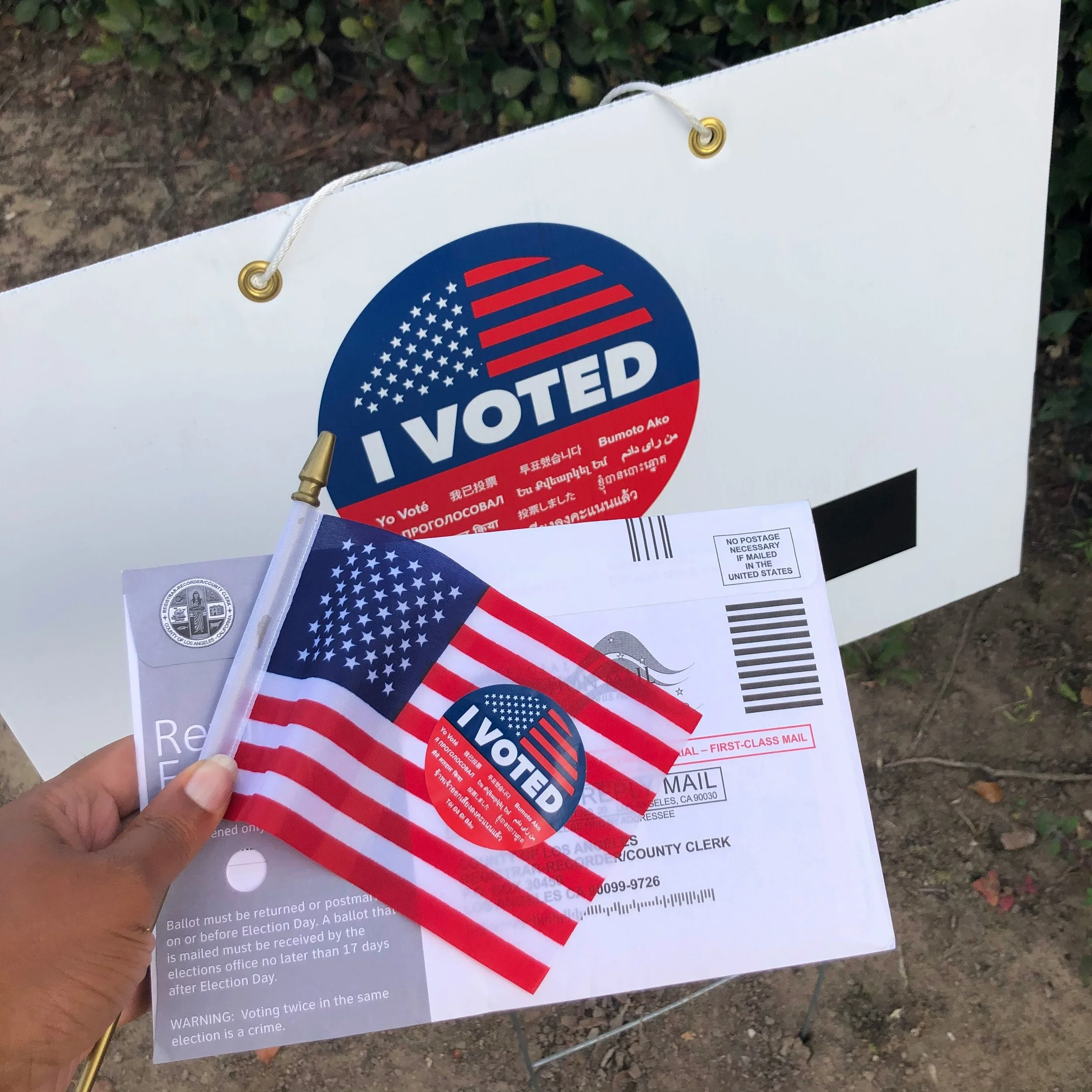
Photo by Janine Robinson via Unsplash
The 2026 midterm election results felt like coming up for air. Across the country, voters turned out in significant numbers in what is now being called the “blue wave,” shifting the balance of power in Congress and statehouses and sending a clear message about what they will and will not stand for. For those of us who have spent the past two years wading through grief and uncertainty about our country’s future, the results offered a renewed sense of possibility. And that hope asks something of us.
As we begin to dream again about what comes next, we must also consider how we build and sustain the kind of civic engagement that a better future requires – the kind that outlasts any one election. Because civic engagement starts much earlier than the ballot box: It starts in the relationships we build, the conversations we make room for, and the ways people feel a part of the decisions that shape their communities.
Civic engagement is built in the small moments.
Preliminary estimates put voter turnout at 49 percent of eligible voters, making this the second-highest midterm turnout in more than a century and offering a reminder of what can happen when people mobilize and make their voices heard. But to sustain engagement for the long term, we must invest in the daily practices that build our collective muscle for engaging in larger systems and how those systems encourage engagement.
At Fractal Strategies, we think about this as little-p “politics” and big-P “Politics.” There are the visible, formal elections, legislation, public budgets, and institutional decisions. Then there are the everyday acts of engagement that shape how we live our values, connect with one another, share power, and make decisions together. And they are deeply connected.
That’s why we prioritize relationships and leadership development – because it isn’t enough to just improve access to the table where decisions are made. Community members who step into leadership roles didn’t get there overnight, but after years of developing their capacity and commitment. Building an initiative, organizing a convening, or bringing people together around shared goals begins with investing in people, one relationship at a time, to develop understanding, connections, and confidence. That is little-p politics in practice.
“Civic engagement starts much earlier than the ballot box: It starts in the relationships we build, the conversations we make room for, and the ways people feel a part of the decisions that shape their communities.”
Civic engagement is a shared responsibility
And while people must stay informed, show up, ask questions, and hold elected officials accountable, civic engagement can’t be treated as the responsibility of individuals alone. Government, elected leaders, and institutions must also be engaging and make engagement accessible, relevant, and responsive.
When people disengage, we must ask how the system is encouraging – or discouraging – participation. Is information communicated in ways people can understand? Are there meaningful opportunities to influence decisions? Do institutions meet people where they are, or expect people to navigate complicated processes on their own? And when community members take the time to participate, can they see that their contributions matter?
Our work at Fractal lives in this space between community capacity and institutional responsibility. As we help create the conditions for people to engage with the systems that affect their lives, we also support institutions in building more meaningful relationships with their communities. At the institutional level, we work to bridge divides and help ensure that participation is not just invited, but actually valued and integrated.
This work matters at every scale, and some of it is more traditionally political than others. Whether it’s a voter guide to make complex issues easier to understand, a community-led process that allows residents to define priorities, or a convening where people can build relationships and find common ground – we can build processes and resources that equip people to practice civic engagement, developing the skills to engage in larger policy decisions while supporting institutions to be accountable and responsive to the people most impacted.
The Arc of Civic Engagement and Preparing for the Long Haul
The contrast between this election and the last could not be more stark. After the 2024 elections, many of us grappled with despair and overwhelm. At the time, one of our mentors and long-time community leader offered a perspective that has stayed with us: it was not the time to disengage or give up. It was time to lean in. Wake up. Act.
But as different as this moment is, as we reflect on the arc of civic engagement, the call to action today remains very much the same; Staying engaged in moments of loss and uncertainty is difficult work, but it can be just as challenging — and equally important — to stay the course and remain vigilant in moments of victory.
“Staying engaged in moments of loss and uncertainty is difficult work, but it can be just as challenging — and equally important — to stay the course and remain vigilant in moments of victory. ”
As we celebrate the renewed possibility of a better tomorrow, we must also be clear-eyed about the risk of returning to a status quo that never worked in the first place. When we trust the people in office, it can be tempting to disengage. But community needs do not disappear when the balance of power changes. Many have spent generations feeling overlooked, underrepresented, or unsupported, regardless of who holds elected office. A change in leadership is important, but it is not the same as a change in the conditions that shape lives.
The outcome of the November elections gives us reason to hope, but we cannot become complacent. They are an opportunity to ask what representation, accountability, and responsiveness should look like — and to hold institutions and leaders to the commitments they have made.
Building the future happens at every level, every day.
We believe that what we practice at the small level is magnified at the macro level. The ways we listen, share power, build relationships, and make decisions in our day-to-day work are not separate from the larger systems we hope to change. They are part of a daily practice that makes the big tsunami changes possible.
So how do we take this moment of renewed political energy and turn it into a recommitment to the work ahead? First we celebrate. Joy is essential to making this work sustainable. And recognizing progress helps us remember that change is possible and collective effort matters.
But we must also continue to build and exercise our individual and collective muscle for civic engagement. That work begins at home — in our neighborhoods, organizations, partnerships, and relationships. It begins when we invest in community leadership, make information accessible, create space for dialogue, and expect institutions to listen and respond.

The ballot box is one place where our collective voice can be heard. The work of building that voice, strengthening it, and following through on what matters most happens every day. And that is where we build the future we all deserve.